Drift Pin Manufacturer
A drift pin is an erection tool, not a permanent fastener. When two pieces of structural steel are brought together on site, the bolt holes rarely line up exactly. The erector drives a drift pin into a hole through both plies, and the taper pulls the members into alignment so the remaining holes come true and the bolts can be entered. Once enough bolts are in place, the drift is knocked out and replaced with a bolt.
The pin has to survive being hammered, repeatedly, into loaded steel. A drift that mushrooms at the head, burrs along the taper or bends in the hole will damage the hole it was meant to align, and jam. That is a question of how the pin is made: machined from bar to a true, continuous taper with a smooth surface, so it drives and withdraws cleanly.
S.R. Forgings machines drift pins from 20 mm to 36 mm diameter, in mild steel or alloy steel, supplied self colour or heat treated, in lengths and finishes to customer requirement. They are used on bridge girder splices, transmission and communication towers, plant and industrial steelwork, and pre-engineered building erection.
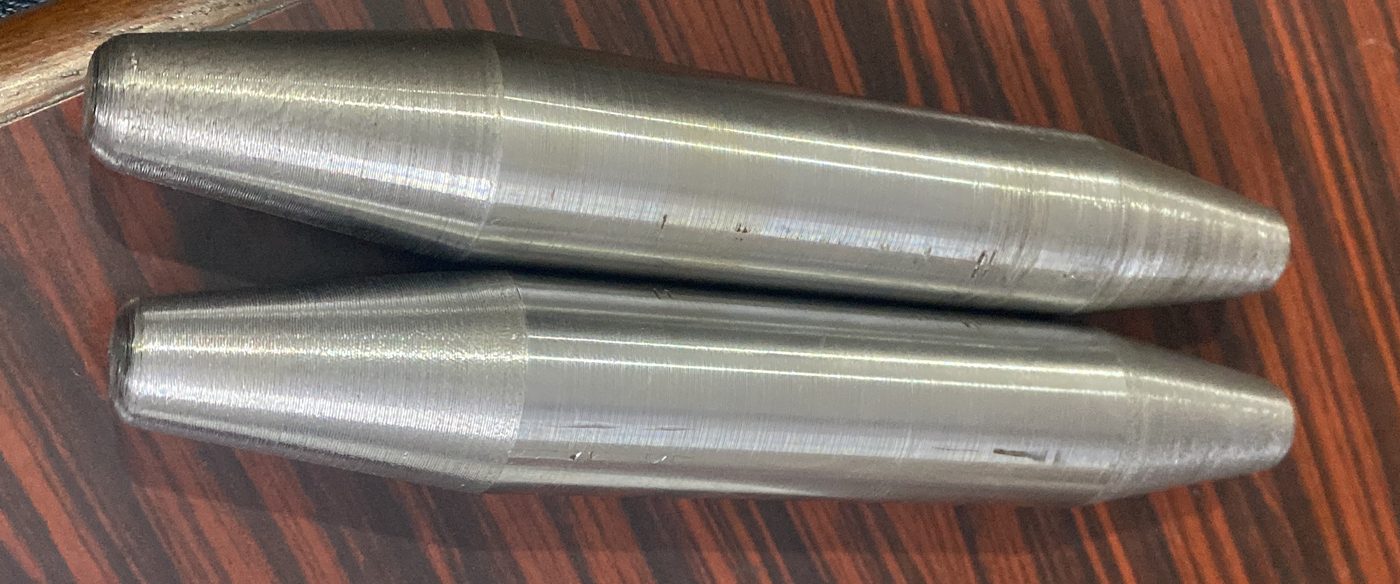
Drift Pins
Size: 20 mm to 36 mm diameter
Length: To customer drawing
Material: Mild steel or alloy steel
Condition: Self colour or heat treated
Manufacture: Machined from bar
Finish: To customer requirement
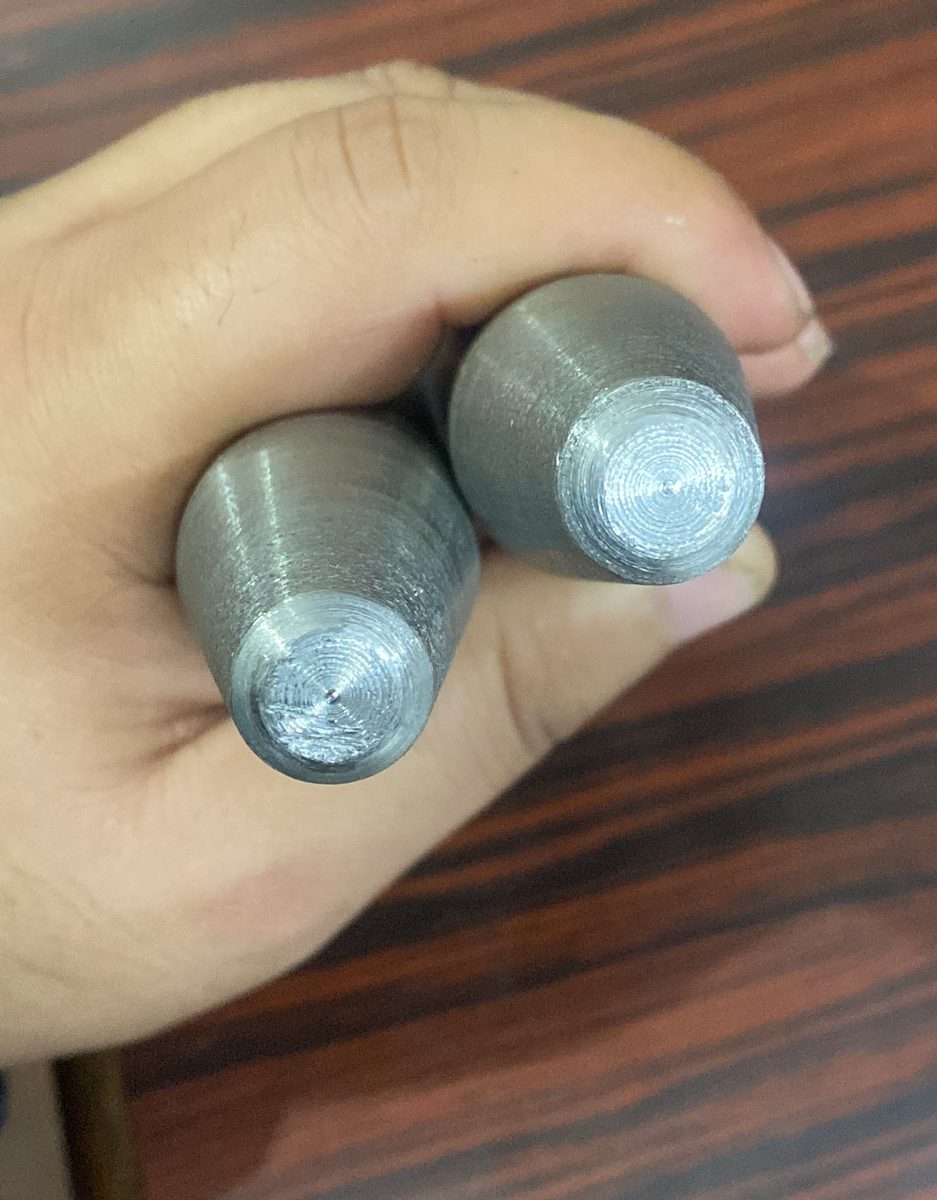
Taper and Point
The working end is turned to a long, even taper with a blunt point, so the pin enters a misaligned hole and draws the plies together progressively rather than wedging. The body is left parallel at the nominal diameter to hold the alignment once the pin is home.
Send EnquiryDrift Pins in Our Works
Drift pins are turned and finished at our plant at Focal Point, Ludhiana, in standard sizes and to customer drawing.
Ordering Drift Pins
To quote, we need the diameter, the overall length and the taper length, or a drawing showing them. Where a drawing is not available, tell us the hole diameter the pin has to enter and the ply thickness it has to pull together, and we will propose a size. Related products: high tensile and HSFG bolts, nuts and washers for the same connections.